
top of page
  • Twitter
  • Instagram
  • Youtube
IMG_20201016_111734.jpg
Kansai and Beyond LOGO b+w big.png

Daily Life

Want to know what life in Japan is like? Read more about it here on my posts!

Teaching

Interested in working in Japan as an ALT? I've got you covered! Read more.

Travel

The exciting part of living in Japan is getting to travel through this beautiful country. 

Tips & Tricks

Other posts on food, art, culture, daily rambling, rants, etc etc...

Subscribe to Kansai & Beyond for updates!

Thanks for submitting!

Search

Updated: Feb 11, 2020

I was inspired to do this activity with some older students who have a higher than average ability in English than the rest of my students. The focus on this activity is WRITING and SPEAKING (and creativity, which most of my activities try to encourage).


Target Audience:

- students with higher than average ESL English

- can make some complex sentences that are comprehensible without teacher guidance

- teachers who want individual work or pair work

- want something fun but not too disruptive/noisy


Not Good for Students:

- who still have lots of difficulty making sentences on their own

- who get upset easily if they cannot be in control of the situation (students will have to put their trust on other students to complete their story, so if you foresee this as a huge problem, you might want to tweak it or not do this)

- with a class dynamic that isn’t supportive and encouraging of group work


This activity can be attempted by students individually, or in pairs.


My students are just not at a level where they are able to make sentences on their own in a timely manner, so I usually encourage pair work to speed the writing process up. However, if your students are advanced level, it may be a good idea to challenge the students and do it individually.


Start your students off by briefly explaining what’s in a story.


I used this photo from a google search to help me make my own version of this. As I assume you’ll be teaching older students, they shouldn’t be foreign to this idea in their own native language, so you shouldn’t have to spend too much time on this. But always good to make them conscious of the lesson first!

Explain then to your students that they will be making a “Story Starter”.


They should write a sentence that will include some of the 5Ws (who, what, when, where and why). They don’t have to answer ALL of them, but they should focus on at least the who, the when and the where. The point is so the students can provide some information for the next pair to expand on and go off of.


(They don’t have to be detailed, but I personally struggle to get students to expand and write complex sentences, so I try to encourage students to use more adjectives or some grammar point they learned)


Make sure they are not COPYING each other!


Discourage talking to other pairs while working through this stage. You don’t want students yelling across the room spoiling their story from the beginning! It ruins for the fun for everyone.


Try to discourage talking to other pairs during the entire activity if you can, but sometimes it cannot be helped if you have some weaker students amongst the stronger students in the class, so I allow it.


Once they are done, SWITCH.


I have them pass it to the pair behind them, but you can do it anyway you want.


Have the next pair continue to the story with one or two sentences.


Continue this process until you feel you have a good amount of sentences or you’re running on a time crunch (end of the period). I usually give my students 5-10 minutes to think of one sentence before switching, so the activity itself can take 2 or more classes.


(ask your students to write their names next to the sentence they wrote so there is liability, and also if they’re splitting the activity into multi-classes, you may want to collect them after class and distribute them again)


You may also want to stop in between to remind students what they should think about writing. After 3 or 4 switches, check in with them and make sure they’re working towards a climax/middle of the story. You may want to write out some checkpoints on the board before starting the activity with your students, so you don’t have to stop and check in.


Collect them and check them for grammar/spelling/content.


After writing and teacher evaluation, it’s time for the speaking.


I’ve decided to do two types of speaking. Presentation and Individual speaking.


The presentation will be done in pairs. Since I have an individual speaking part where they will read the story they create the story starter for, I wanted the presentations to be a bit different. Instead of reading their own stories (the one they wrote the story starters for), I mixed them up and had them read someone else’s story instead.


Give them a few minutes to practice and encourage students to read the story in interesting ways. You may want to encourage them to change their voice, or do actions. Whatever you feel your students are capable of pulling off during the practice time (however much time you give them).


The focus for me is pronunciation. I encouraged the students to really get the pronunciation down and ask me any questions if there is a word they are unsure of.


Since they are reading someone else’s story, I told my students to make sure to listen carefully to their own stories and take notes on anything they thought the pair did well or didn’t do well.


At the end of the presentation, I give them constructive comments individually. I have a history with this class where I give constructive criticism to each presentation afterwards, and they are very receptive of it. It is a time consuming task and some classes/students may not care to get these comments, so that’s all up to you.


After the presentations, it’s the individual speaking.


My students all have technology available to them provided by the school, so it’s very easy for me to do this part without wasting in-class time And instead give it out as homework. You may not be able to find time for this, but if you can, here’s what I did.


I told my students to record themselves retelling the stories by themselves at home. If they make a mistake, start over. They should make sure the pronunciation of the word is correct and to avoid Japanese-English sounding pronunciations. They will be heavily graded on their pronunciation for this part of the assignment.
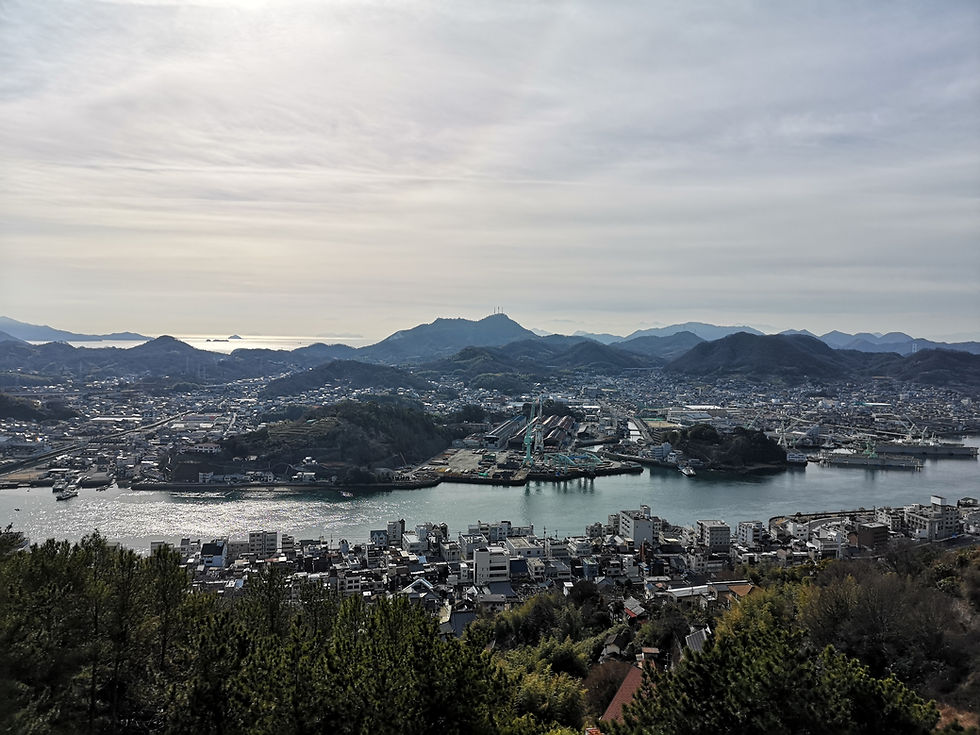
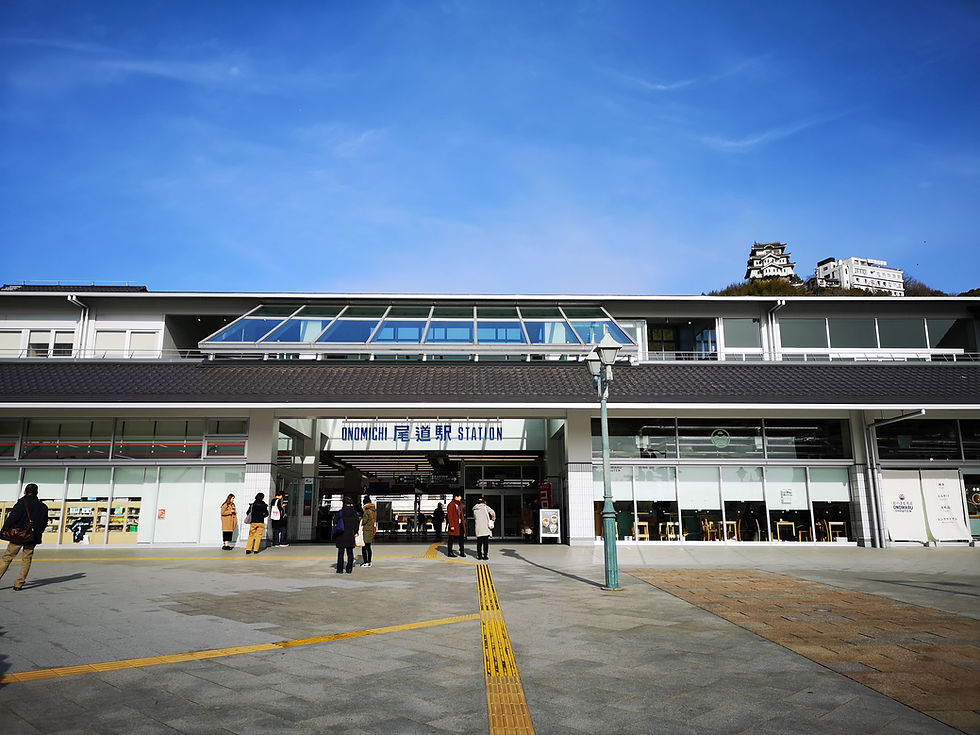


Today I’m going to write about yet another smaller city you can visit in west Japan. I think a lot of cycling enthusiasts will already know about this city, as it is a very popular starting city on a very popular scenic cycling route. What city is it? I want to tell you a bit about Onomichi city.

Cycling

One of the most scenic cycling routes in Japan is the Shimanami Kaido. This route passes through several islands in the Setouchi Sea, connected by bridges that you can drive or cycle on. The starting (or ending) city of this route is Onomichi, as effectively, the first (or last) bridge of the group is from this city.

It is one of the most scenic routes I’ve driven on and I personally highly recommend going through it, whether it’s by driving or cycling.

You can rent bicycles in the city if you wish to complete this route. If you do not wish to cycle or go through the Shimanami Kaido, that’s great too. Keep reading and see what’s in store for you as a tourist in Onomichi! (if you are looking for ideas after your cycling, congratulations and please read on)

Getting to Onomichi

How do you get to Onomichi? You can take the Shinkansen to Shin-Onomichi, but I think this is not the best route.

I highly recommend taking the Shinkansen to Fukuyama Station, then change to a local train for a short(ish) ride to Onomichi Station. The main reason is that the local train will take you right into the city center. Shin-Onomichi (the shinkansen station) is quite a ways away from Onomichi, so you would have to do a bit more walking or find another way to get to all the attractions.

Taking the local train will also give you a more scenic ride. The local train hugs the Setouchi Sea a little bit before getting into Onomichi station, whereas the shinkansen does not take the same route.

Last thing is if you are not a JR pass holder, you can get to Fukuyama station faster on the Nozomi shinkansen. Connecting onto a local train after the nozomi may be a faster route.

What is there to do?

I only had 3 hours at Onomichi, but even with 3 hours, you can do quite a lot! I actually wasted a lot of time at one point, but if I hadn’t, I think I would have seen some other things. But that’s ok!

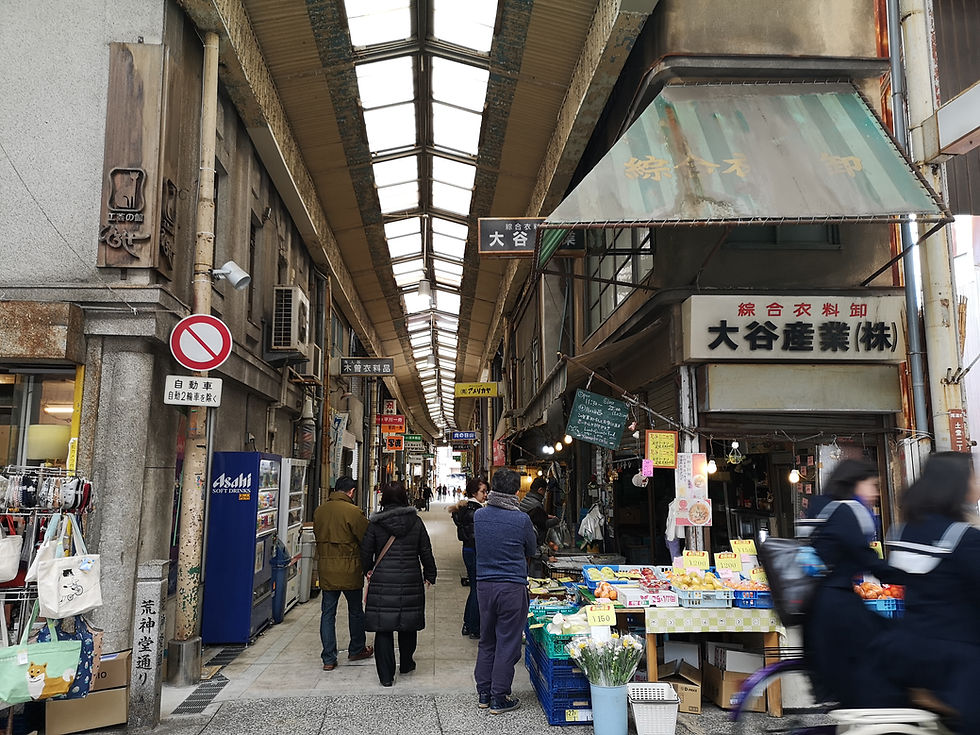
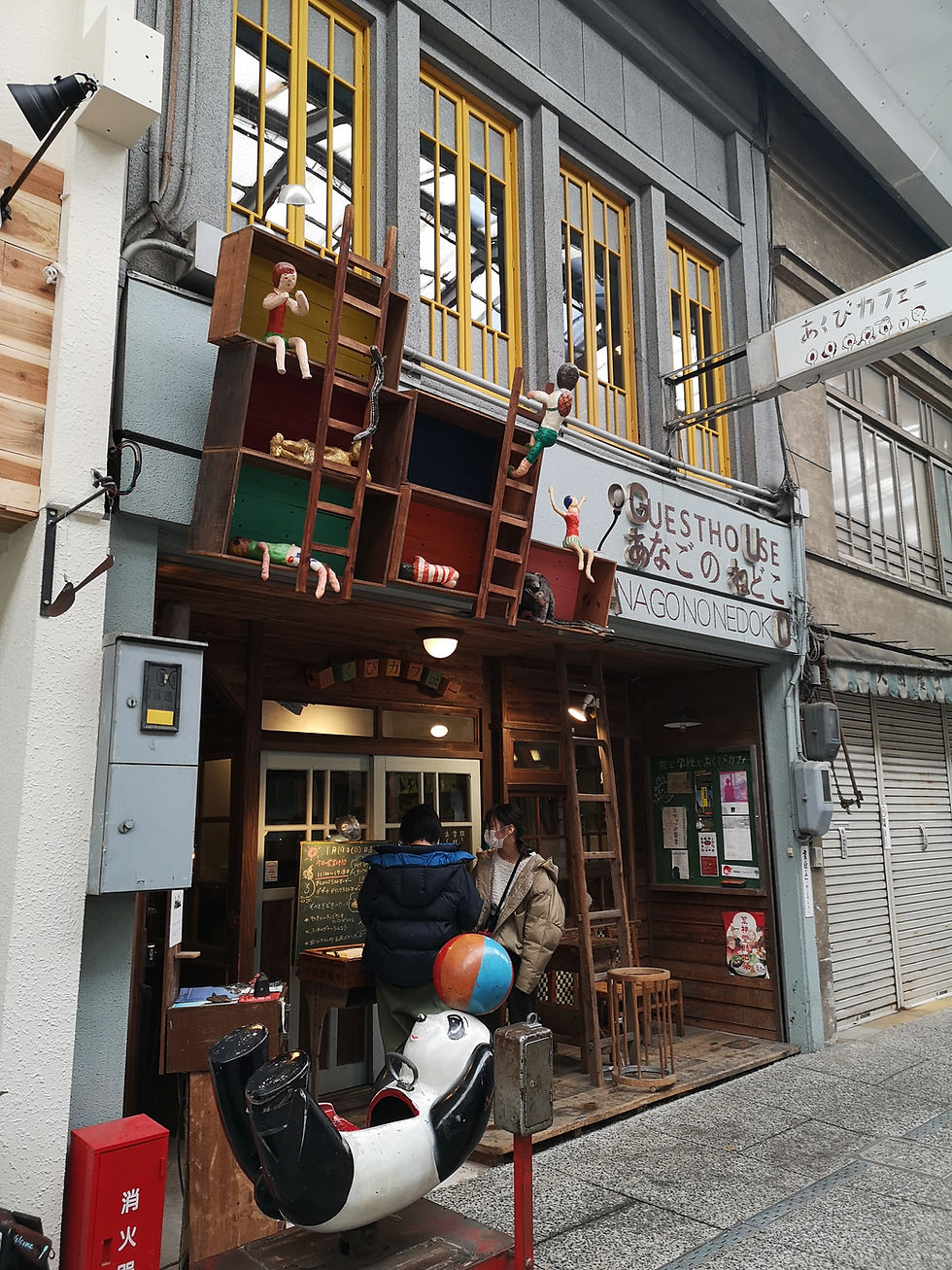
When you get out of the station at the exit facing the pier/sea, turn left. That side is where most of the attractions are concentrated at. There are other things on the right side (west), but if you are on a time crunch, the east side is going to be your main focus. You can either hug the train tracks and walk along there for 10 minutes, or you can cross the street and go into the shopping street. This shopping street isn’t too different from other Japanese style shopping streets if you’re used to seeing them, but I think it has a lot of interesting cafes and restaurants tucked along this long street. You can also get snacks and fresh produce here to.


Almost at the end of the street, turn left towards the mountain. Don’t worry, you don’t have to hike up. In fact, you should hike down. Or not at all (but I really think you should).

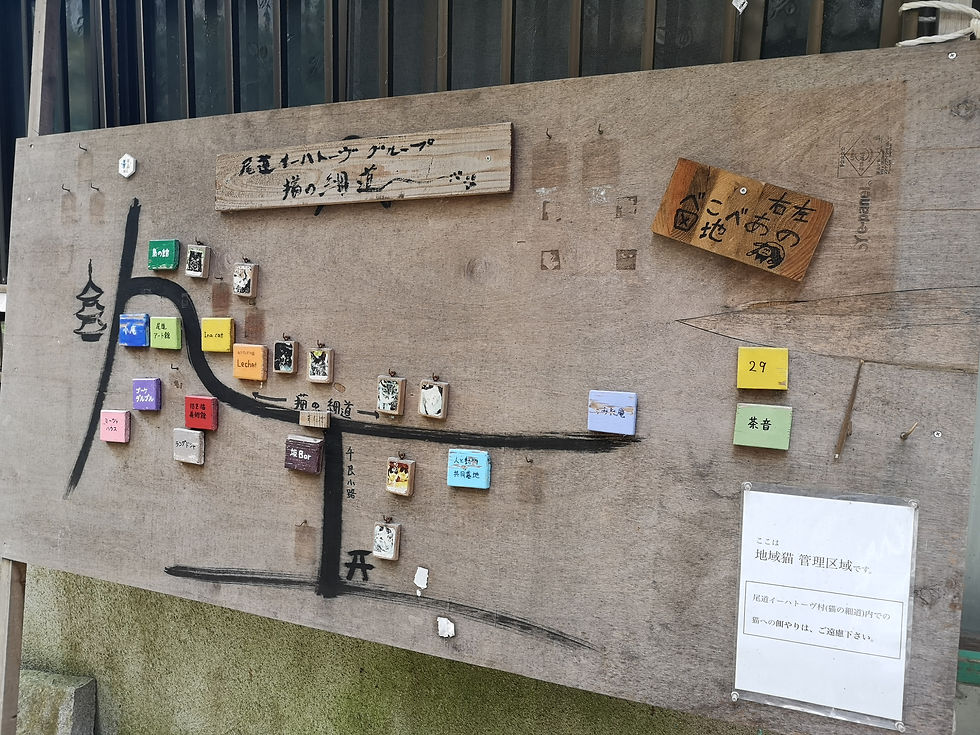
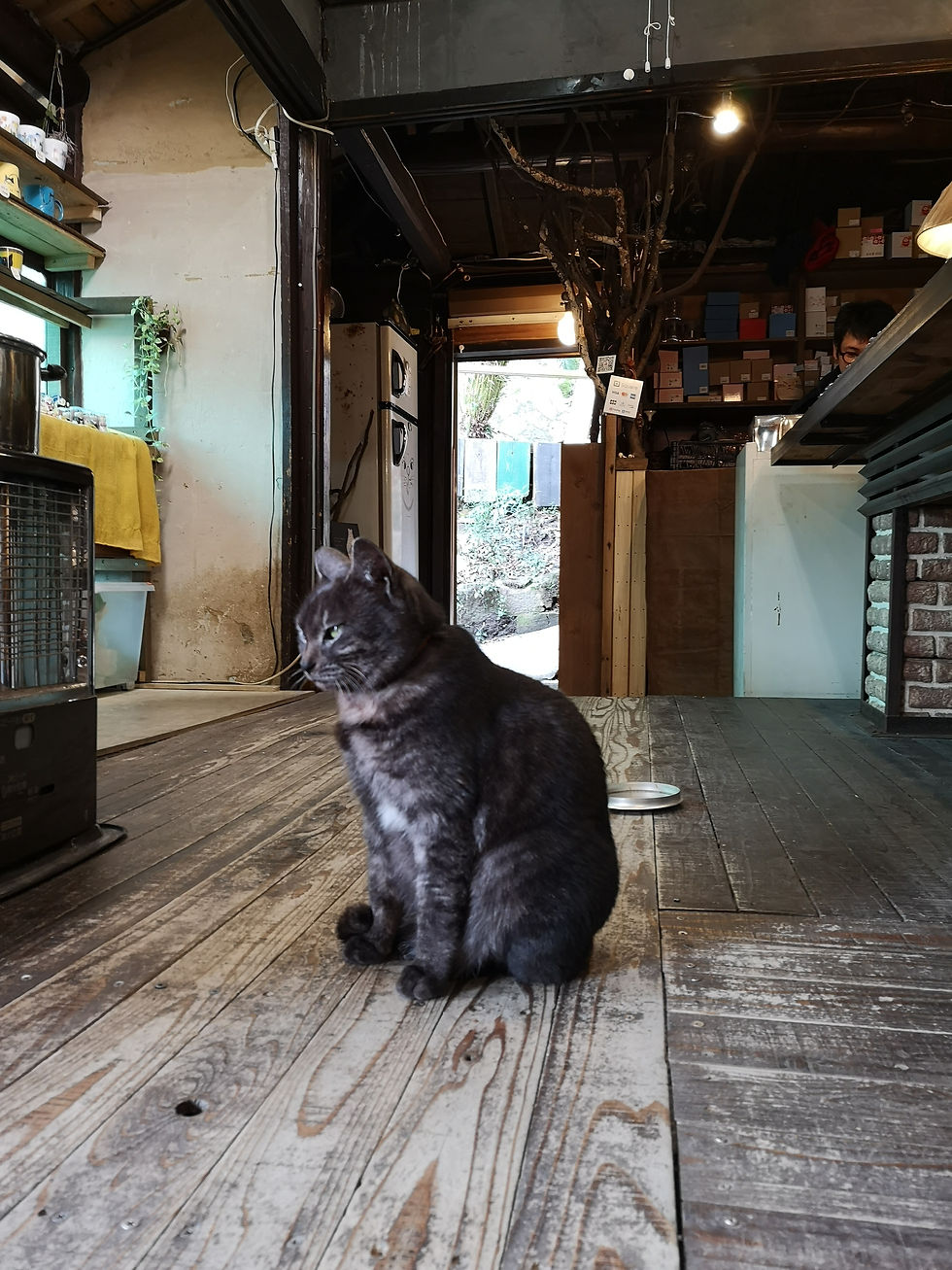
There is a ropeway that will take you up to the hill you see. This houses the observation deck looking out to Setouchi Sea and the Onomichi Art Museum, which recently got some attention due to these cats . And speaking of cats… Onomichi is famous for something called the “cat alley”. It is a narrow strip of path that has cafes, shops and street art dedicated to cats. If you choose to hike down the “Path of Literature” (kind of like the Philosopher’s Path in Kyoto) from the top of the observatory, you will come across cat alley on your way down…... which is why I chose to take the ropeway up, and hike down.


And if cats are not up your alley, the Path of Literature I mentioned just now will take you through some interesting temples. Particularly, Senkoji Temple (which is the intended purpose of the ropeway). On the way up to Mt. Senkoji to the observatory, you will have seen Senkoji Temple sitting on the mountain-side. It’s not a very big temple, but I find mountain side temples to be very fascinating.

Before you come down the Path of Literature and into Cat Alley though, don’t forget to stop into the 2nd floor of the observatory to get some mikan ice cream! Make sure you get the mixed mikan ice cream to try both types of mikan.

When you get to the bottom again, you can either continue temple hopping if you have time or if you are hungry, head back into the shopping street. There are a lot of restaurants that will serve you up a good Onomichi Ramen like this one:

(and if ramen is not your thing, there are other cafes in the shopping street and by the pier that will serve you up other delicious Japanese foods!) And that’s it! Make sure you check the time your next train will come, because you definitely don’t want to be like me with only 5 minutes to spare after my ramen. Thank you for reading this post! I’ll be posting what I did after Onomichi city, so please keep your eye out for that soon!


A few days ago, I took a short half-day trip down to Wakayama city.


From Osaka, it’s really not that far, but considering there are quite a fair amount of other distractions in Kansai (like Kyoto), it’s not somewhere most people would think about going.

Why Go to Wakayama city?

Because there are less people, you’re find that there will be less tourists. It’s a good escape

from the big city and a good rest day from the crowds. You can also kind of see a Japanese city that’s still quite undisturbed by foreign tourism.


If you plan out the day right, and do some good research on what things there are to do, you could quite easily spend a full day there.


How far is Wakayama city from Osaka city?

If you take the Nankai Railway, and get on the Southern Limited Express (there are both

non-reserve and reserve seating) from Namba station, it will take about 1 hour to get to

Wakayamashi Station. From there you can transfer to get to other parts of Wakayama

prefecture to the south.


---


What is there to do in Wakayama city?


For my short trip, I decided to go to Wakayama castle.


It is probably the most accessible tourist attraction there in the city and probably in the

prefecture. By walking from Wakayamashi Station, it takes about 20 minutes. You can take the bus from the train station to ‘Koen Mae’ as well, which will cut down some time and walking, but I do recommend you walk one part of the way to see how the city is like on foot.

The castle isn’t very big, but you still do have to walk up some flights of stairs to get to the main keep.


From ‘Koen Mae’ bus station, you will effectively be at the front gate. Follow the path and straight towards the (rather depressing) castle park zoo to start your ascend to the main keep.

This path is the wider of the two. There is a back path that is much narrower and steeper.

You will arrive will be rewarded will a view when you get to the main keep entrance.

To enter into the main keep, you must pay 410 yen. This will give you access to a small garden, and inside of the keep walls and inside the main keep building with a view at the top.

Keep in mind that this castle is a reconstruction, not an original structure. Effectively, this means that the inside of the keep is usually turned into a museum, which is the case with this castle.

I think the best part is the view.

You can walk outside on the top floor on the main keep (like in Inuyama castle) and take in a 360 degree view of the city. Since Wakayama city is right by the coast, and surrounded by mountains on the other side, you can get some really great photos on a perfectly sunny day.

After you finish with the keep, I recommend taking the back path down. Instead of turning right to go down the stairs you came from, turn left. That’s the back path. This path is stairs all the way down, but it takes you right by the most iconic spot on the Wakayama castle grounds, Ohashi Roka.

This is a bridge with a roof and walls, dating from the Edo period.

You can walk through this bridge free of charge. Please take off your shoes and carry them with you to get to the other side.

You can end your short trip by resting at the teahouse nearby or stopping at the souvenir shop to get a snack before going back to the station.

I thoroughly enjoyed this short excursion to Wakayama castle. It’s a simple castle, rather easy to climb despite me being unfit, and there were rarely any people at the castle when I visited. Definitely not a must-see item, but definitely a good alternative to some of the more touristy areas. Especially now with the huge influx of tourists in Japan.

I hope you enjoyed my photos and I hope you’ll consider visiting Wakayama castle one day.


© 2019-2021 by Kansai & Beyond

bottom of page